There is a kind of design that does not raise its voice. It does not try to astonish or announce itself. It simply meets you—quietly, as if it had always been there.
This kind of design isn’t built from theory or style. It emerges from attention. It asks: What is the smallest gesture that would feel natural here? What is the simplest form that still carries care? It feels less like invention and more like remembering something the body already knew.
Naoto Fukasawa’s wall-mounted CD player reveals this clearly. A plain square on the wall, a single pull cord hanging beneath it. You do not need instructions; you simply pull, and the music begins. Pull again, and it stops. The interaction isn’t taught—it’s recalled. The object trusts that your hands remember old motions: ceiling fans, bedside lamps, the soft tug of something familiar. There is no performance. No explanation. Just the return of a gesture that feels inevitable.
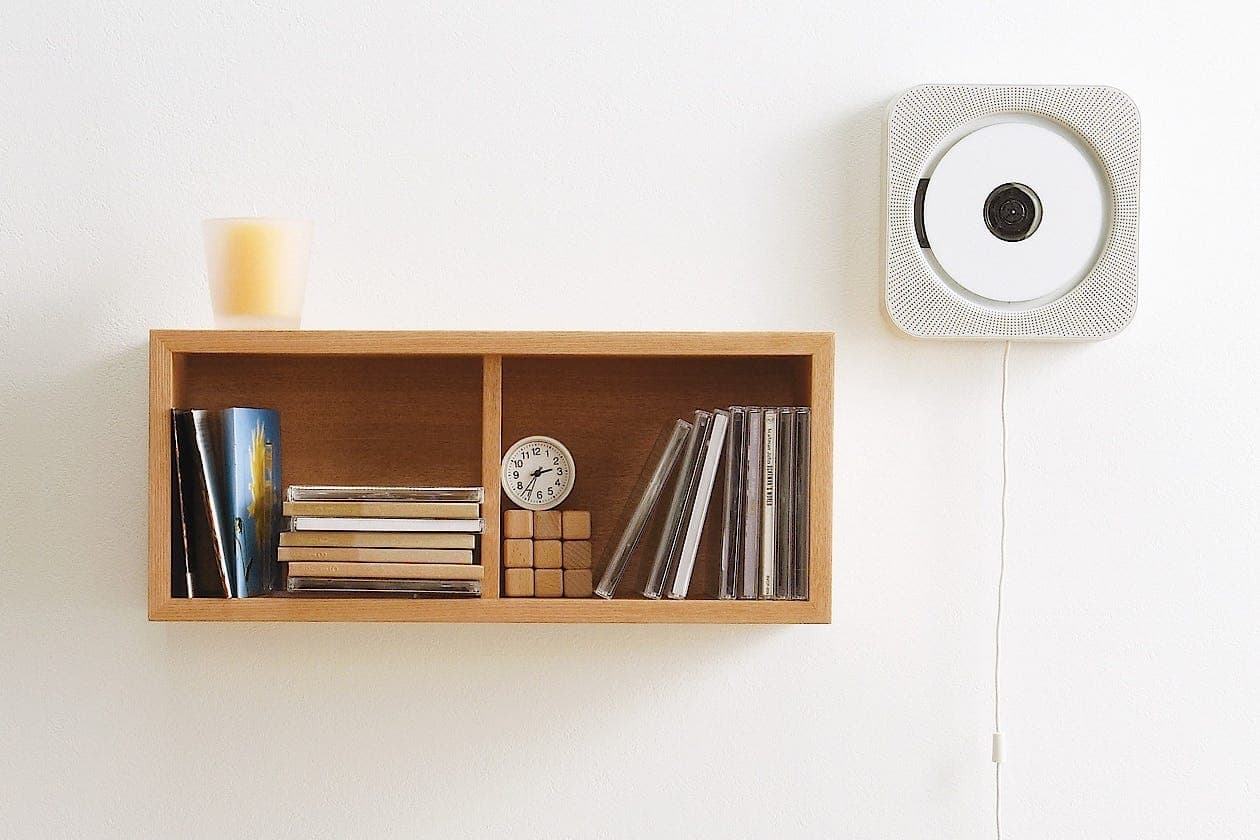
To design with this tenderness requires restraint. Not aesthetic restraint for the sake of minimalism, but restraint born from listening—removing anything that interrupts the natural motion of a human hand or mind. Most design tries to impress. Tender design steps aside. It does not demand attention; it receives it. It becomes a quiet companion rather than a spectacle. It’s not trying to be new. It’s trying to be right.
There is a subtle emotional texture to objects like this—an awareness that things have lives, that they remain with us for a while and then pass on. There is no sentimentality here, only a quiet acceptance of time. The warmth comes from this fit—from the feeling that your life and the object share a breath.
Footnotes
- Designing Design — Kenya Hara
I’ve been reading Designing Design by Kenya Hara and found the Redesign section particularly profound. Hara explores the idea of removing the unnecessary to reveal essence, which deeply resonates with the concept of tenderness in design.
- In Praise of Shadows — Jun’ichirō Tanizaki
Finished reading Tanizaki’s In Praise of Shadows in October. The reflections on shadow, absence, and the understated beauty of everyday objects informed the early stages of thinking about subtlety and restraint.